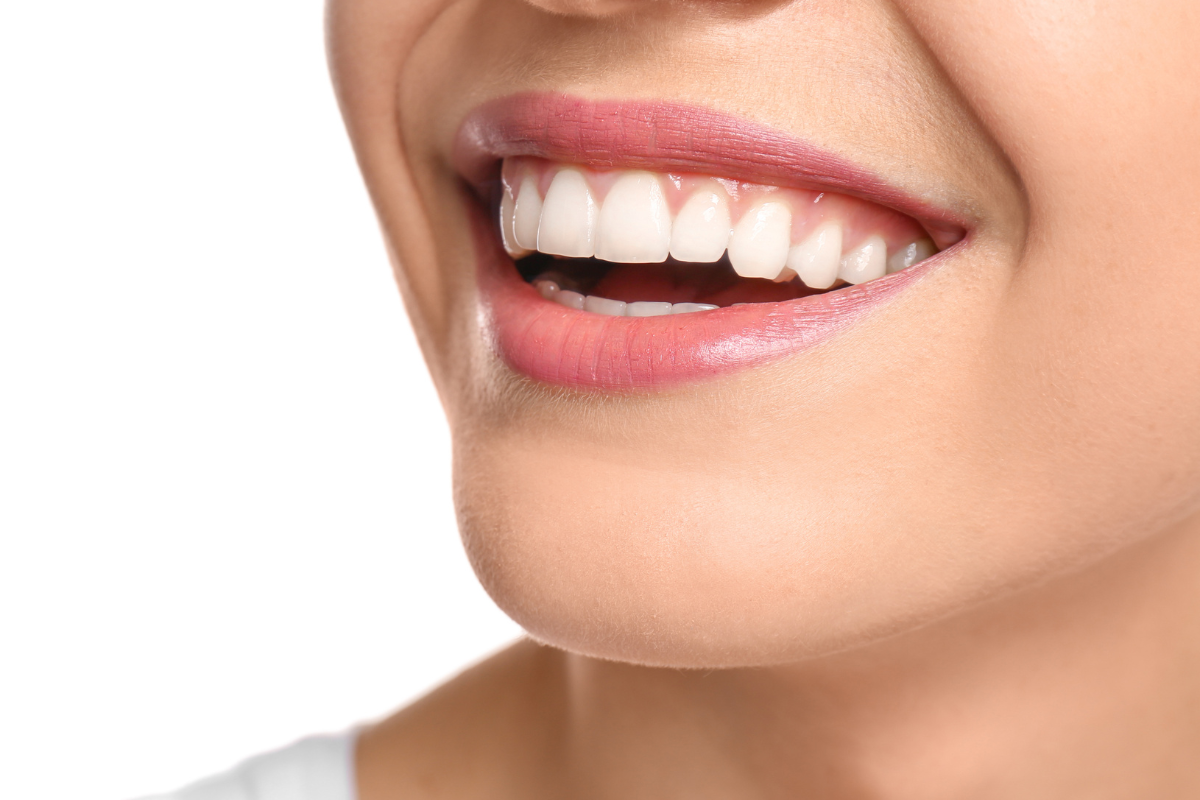

Your smile is one of the first features people notice, but changing something you dislike about it is not always as simple as choosing a procedure from a list. Stains, small gaps, chips, uneven tooth shapes, and alignment concerns can often be addressed in several ways. The right choice depends on what is causing the concern, the health of your teeth and gums, how much change you want, and how you want to maintain your results.
That is why a cosmetic dental consultation should begin with an evaluation rather than a predetermined procedure. A dentist can examine your teeth, gums, bite, existing dental work, and overall oral health before explaining which approaches make sense for your smile.
At Greenville Dental & Orthodontics, Dr. Robert W. Allen helps patients understand their options before moving forward with treatment. For patients considering cosmetic dentistry in Greenville, this evaluation provides an opportunity to discuss priorities and develop a treatment plan based on both appearance and oral health.
What Is Cosmetic Dentistry?
This form of dental care focuses primarily on improving the appearance of the teeth and smile. Depending on the treatment, it may address concerns involving tooth color, shape, size, spacing, position, or minor damage.
Common reasons people consider cosmetic treatment include:
- Yellow, darkened, or stained teeth
- Chipped or slightly cracked teeth
- Small spaces between teeth
- Uneven or irregular tooth shapes
- Worn tooth edges
- Mildly crooked or crowded teeth
- Teeth that appear disproportionate
- Several cosmetic concerns affecting the same smile
Some procedures make a relatively small change, while others can alter several aspects of a smile. Understanding exactly what you want to improve is therefore an important first step.
How Do You Choose the Right Cosmetic Dental Treatment?
There is no single cosmetic procedure that works for every smile. We recommend starting by identifying your primary concern and then considering the least invasive treatment capable of addressing it appropriately.
Your dentist may consider several factors:
- Current tooth and gum health
- Type and severity of the cosmetic concern
- Number of teeth involved
- Existing crowns, fillings, or other restorations
- Bite and tooth alignment
- Amount of healthy enamel present
- Desired appearance
- Treatment timeline
- Long-term maintenance requirements
Cosmetic treatment should also be planned around oral health. Active decay, gum inflammation, or other dental problems may need attention before elective cosmetic procedures begin.
Professional Teeth Whitening for Stained or Discolored Teeth
If your main concern is the color of otherwise healthy teeth, professional teeth whitening may be an appropriate starting point.
Teeth can gradually become darker because of aging and exposure to substances such as coffee, tea, dark-colored foods, and tobacco. Professional whitening uses dental-grade whitening agents to reduce many types of visible staining.
Whitening may appeal to patients who:
- Like the existing size and shape of their teeth
- Have generalized yellowing or staining
- Want a relatively conservative cosmetic change
- Want to brighten several natural teeth together
However, whitening does not change tooth shape, position, or spacing. It also does not whiten restorations such as crowns or tooth-colored fillings. Certain types of internal discoloration may respond differently, so the cause of discoloration should be evaluated before treatment.
Cosmetic Bonding for Small Chips, Gaps, and Shape Concerns
Cosmetic bonding can be useful when the concern involves a small, localized imperfection rather than the entire smile.
During bonding, tooth-colored composite resin is applied to the tooth and carefully shaped before being hardened and polished. At Greenville Dental & Orthodontics, bonding is among the cosmetic options used to address chipped, discolored, or misshapen teeth.
Bonding may be considered for:
- Small chips
- Minor spaces between teeth
- Uneven edges
- Slight shape differences
- Localized discoloration
- Minor surface imperfections
One advantage of bonding is that it can often make a noticeable change without extensive alteration of natural tooth structure. However, composite resin can stain or wear over time. Patients should understand that maintenance, polishing, repair, or replacement may eventually be necessary.
Veneers for Multiple Visible Cosmetic Concerns
When several characteristics of the front teeth need improvement, veneers may provide a more comprehensive option.
Veneers are thin restorations placed over the visible surfaces of selected teeth. They can alter color, shape, apparent size, and symmetry at the same time. Greenville Dental & Orthodontics offers veneers and Lumineers® as options for concealing visible flaws and changing the appearance of teeth.
Veneers may be discussed when teeth have:
- Persistent discoloration
- Uneven shapes
- Small gaps
- Minor chips
- Worn edges
- Several cosmetic concerns simultaneously
Choosing veneers requires careful planning. Tooth preparation varies according to the clinical situation and restoration being used. Because veneers are a longer-term commitment than whitening, patients should understand preparation, maintenance, expected longevity, and possible future replacement before proceeding.
Invisalign® for Crooked or Misaligned Teeth
Sometimes the main cosmetic issue is not the color or shape of the teeth. It is their position.
In these situations, covering the teeth may not address the underlying alignment concern. Orthodontic treatment may be more appropriate.
Invisalign® uses a series of removable clear aligners to gradually reposition teeth. Greenville Dental & Orthodontics offers Invisalign for adults and teenagers seeking a less noticeable orthodontic approach.
Clear aligners may help address appropriate cases involving:
- Crowding
- Gaps
- Mildly rotated teeth
- Uneven alignment
- Certain bite concerns
Unlike bonding or veneers, orthodontic treatment changes where the teeth sit rather than masking their position.
For some patients exploring cosmetic dentistry in Greenville, correcting alignment first can also reduce the amount of restorative cosmetic work needed afterward.
Should You Combine Cosmetic Dental Treatments?
Yes. A single treatment does not always have to solve every concern.
A carefully sequenced combination of treatments may produce a more balanced result while preserving healthy tooth structure. For example, a patient with crowded and stained teeth might first complete Invisalign treatment and then consider whitening.
Another patient might whiten most natural teeth and use bonding on one chipped tooth. Someone with several differences in shape and color might instead discuss veneers.
The order matters. Whitening, for example, is generally considered before color-matched restorations because crowns, veneers, and bonding materials do not respond to whitening agents like natural enamel.
This is one reason comprehensive planning is valuable before beginning individual procedures.
Why Oral Health Comes Before Cosmetic Changes
A cosmetic improvement should not come at the expense of dental health.
Before treatment, we evaluate the condition of the teeth and gums and look for concerns that could affect the outcome. Cavities, gum disease, weakened teeth, or significant bite problems may require attention first.
Healthy gums are particularly important because the gumline frames the teeth. Inflammation, bleeding, or recession can affect both appearance and the predictability of cosmetic treatment.
A stable oral foundation helps cosmetic work look natural and remain easier to maintain.
Conservative Treatment Can Sometimes Be the Right Choice
A dramatic smile transformation is not always necessary.
If one small chip bothers you, bonding may be more appropriate than altering several teeth. If staining is your only concern, whitening may make more sense than veneers. If teeth are healthy but crowded, orthodontic movement may preserve more natural tooth structure than masking the alignment.
Our approach is to determine what specifically needs to change and what does not.
When comparing options for cosmetic dentistry in Greenville, ask what each treatment changes, whether healthy tooth structure must be modified, what maintenance is involved, and what alternatives are available.
Questions to Ask During a Cosmetic Dentistry Consultation
A consultation is your opportunity to understand both the possibilities and limitations of treatment. Consider asking:
- What is causing the cosmetic concern I notice?
- Which procedures could address it?
- Is there a more conservative alternative?
- Will treatment require removal or alteration of enamel?
- How many appointments may be needed?
- What maintenance will the result require?
- Could my existing dental restorations affect the outcome?
- Should another dental problem be treated first?
- Will I need future touch-ups or replacement?
- Can more than one treatment be combined?
Clear answers can help you compare procedures based on more than appearance alone.
Tips to Maintain the Results of Cosmetic Dental Treatments?
Long-term maintenance depends on the treatment, but healthy daily habits remain important regardless of the procedure.
We generally recommend:
- Brush twice daily with fluoride toothpaste.
- Floss or clean between your teeth every day.
- Keep routine dental examinations and professional cleanings.
- Limit habits that contribute to staining.
- Avoid chewing ice or using teeth to open packages.
- Wear a protective mouthguard when appropriate for sports.
- Discuss a nightguard if you grind or clench your teeth.
- Follow treatment-specific instructions from your dentist.
Cosmetic restorations still require care, and the natural teeth and gums around them remain vulnerable to oral disease.
Make an Informed Choice for Your Smile
The right cosmetic treatment is the one that addresses your specific concern while respecting the health and structure of your natural teeth. Whitening may be appropriate for discoloration, bonding can improve smaller imperfections, veneers can address several visible concerns, and Invisalign can change tooth alignment.
Instead of deciding based solely on before-and-after photos or treatment popularity, begin with a professional examination. Understanding the condition of your teeth and the advantages, limitations, and maintenance requirements of each procedure can help you make a more informed decision.
If you are considering cosmetic dentistry in Greenville, schedule a consultation with Greenville Dental & Orthodontics. We can evaluate your smile, discuss what you would like to change, and explain the treatment options that may help you move toward a healthier, more confident smile.
Frequently Asked Questions (FAQ’s)
1. What is the most common cosmetic dental treatment?
Teeth whitening is among the most frequently requested cosmetic procedures because discoloration affects many adults. However, the right treatment depends on whether your concern involves color, tooth shape, alignment, spacing, damage, or multiple issues together.
2. How do I know whether I need bonding or veneers?
Bonding may suit small chips, gaps, or shape irregularities, while veneers can address several visible concerns across one or more teeth. Your dentist evaluates enamel, bite, tooth condition, goals, and maintenance expectations before recommending treatment.
3. Does cosmetic dentistry hurt?
Many cosmetic procedures cause little discomfort, although the experience varies by treatment and individual sensitivity. Whitening can temporarily increase sensitivity, while procedures involving tooth preparation may require local anesthesia. Your dentist should explain comfort measures beforehand.
4. Can cosmetic dentistry fix crooked teeth?
Certain alignment concerns can be corrected with clear aligners such as Invisalign. Bonding or veneers may change the appearance of minor irregularities in selected cases, but orthodontic treatment actually moves teeth into improved positions over time.
5. How long do cosmetic dental results last?
Longevity varies considerably by procedure, oral hygiene, diet, bite forces, grinding habits, and maintenance. Whitening may require periodic touch-ups, while bonding, veneers, and other restorations can eventually need polishing, repair, or replacement after normal wear.
6. Can I whiten my teeth if I have crowns or fillings?
Whitening agents brighten natural tooth structure but generally do not change the shade of crowns, veneers, or composite restorations. Your dentist can evaluate existing dental work and plan whitening carefully to achieve a more consistent overall appearance.
7. Is cosmetic dentistry covered by dental insurance?
Coverage depends on the procedure and individual insurance plan. Treatments performed solely for appearance are often excluded, while procedures with restorative or functional benefits may receive some coverage. Confirm benefits directly with your insurer before beginning treatment.