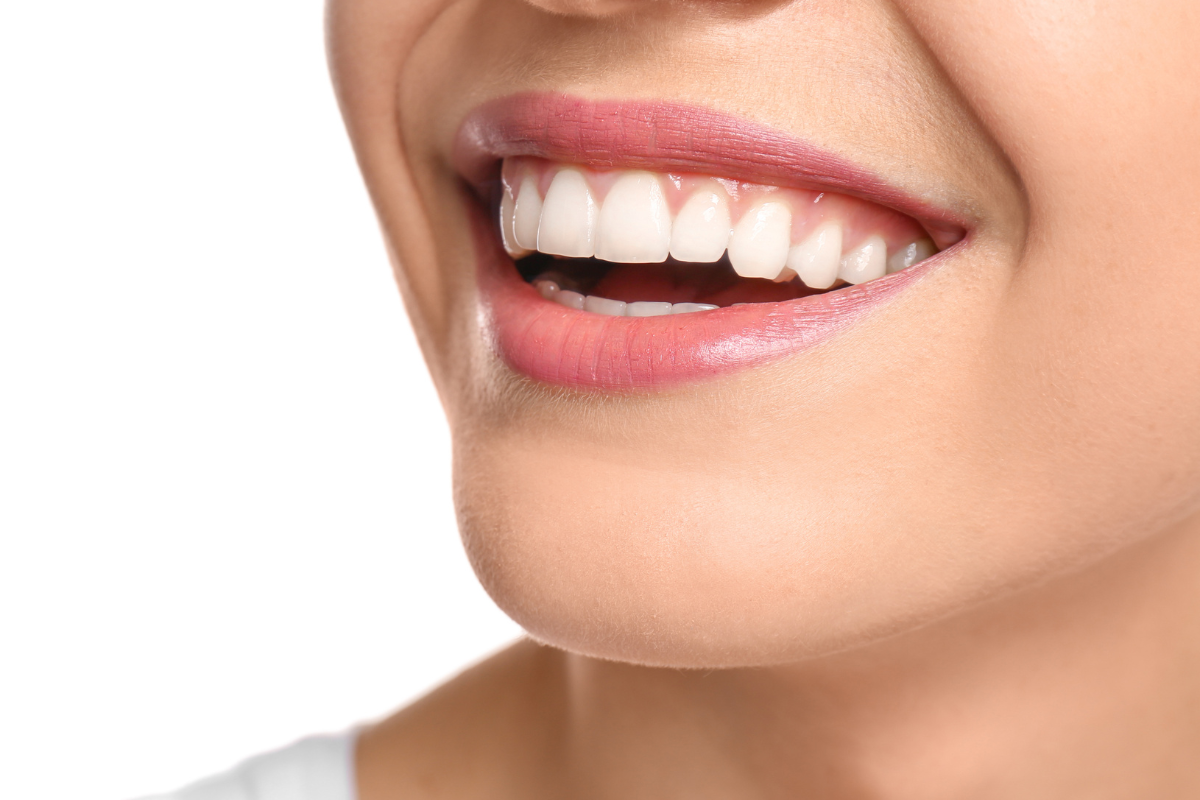

Can improving the appearance of your smile also support better oral health? In many cases, the answer is yes. Cosmetic dentistry is often associated with whiter or more even teeth. Yet certain procedures can also address chipped teeth, spacing, alignment, worn edges, and other concerns that affect everyday dental care.
At Greenville Dental & Orthodontics, Dr. W. Allen and our dental team look beyond appearance when discussing smile improvements. We consider your teeth, gums, bite, and long-term dental needs before recommending treatment. For patients considering cosmetic dentistry in Greenville, understanding this connection between appearance, function, and oral health can make treatment decisions easier. This guide explains how veneers, bonding, Lumineers®, professional teeth whitening, and Invisalign® may contribute to a healthier, more functional smile.
Is Cosmetic Dentistry Only About Appearance?
No, cosmetic dentistry primarily improves smile aesthetics, but several procedures can provide functional or oral health advantages when used for the right reasons.
A patient may initially seek care because of a chipped front tooth. During the examination, the dentist may find that the damaged area also creates an uneven edge or makes the tooth harder to maintain. Correcting the visible concern can therefore serve more than one purpose.
This overlap is common with cosmetic dental treatments. Depending on the condition being treated, they may help:
- Repair minor chips or worn tooth edges
- Improve tooth alignment and spacing
- Make crowded areas easier to brush and floss
- Improve the shape or surface of selected teeth
- Address certain bite-related concerns through orthodontic treatment
- Encourage patients to maintain consistent oral hygiene
However, cosmetic care does not replace preventive or restorative dentistry. Cavities, active gum disease, infections, and other dental problems should receive appropriate attention before elective cosmetic work begins.
How Can Straighter Teeth Improve Oral Health?
Straighter teeth can make daily plaque removal easier. Crowded or overlapping teeth often create narrow areas that are difficult to reach with a toothbrush or floss.
Invisalign® gradually repositions teeth according to an orthodontic treatment plan. For appropriate patients, improved alignment can make oral hygiene more manageable. Orthodontic treatment can also address certain spacing and bite concerns.
Alignment matters because appearance is only one part of a healthy smile. Tooth position influences how teeth meet, how easily you clean them, and how forces move through your bite.
A trusted cosmetic dentist in Greenville should therefore assess more than how straight the front teeth look. The evaluation should include bite relationships, gum health, existing dental work, and overall tooth condition before treatment begins.
Can Veneers or Dental Bonding Protect Damaged Teeth?
Veneers and dental bonding can improve the appearance of chipped, uneven, misshapen, or discolored teeth. In selected cases, they can also restore a smoother and more complete tooth surface.
Dental Bonding for Minor Tooth Defects
Dental bonding uses tooth-colored composite resin to reshape or repair a tooth. It can be useful for minor chips, small gaps, irregular edges, and certain areas of discoloration.
Consider someone with a small chip on a front tooth. The concern may begin as cosmetic. However, smoothing and rebuilding that edge can restore a more natural contour and remove an irritating rough area.
Bonding is not appropriate for every damaged tooth. Larger fractures or teeth weakened by extensive decay may require restorative treatment instead.
Veneers and Lumineers® for Shape, Color, and Symmetry
Dental veneers are thin restorations placed over the visible surfaces of selected teeth. They can improve tooth shape, proportions, color, and the appearance of minor spacing or alignment concerns.
Lumineers® are another veneer option that may require less tooth preparation in suitable cases. Candidacy depends on the existing tooth structure, bite, position, and cosmetic goals.
These options should never simply cover an untreated dental problem. A careful examination helps determine whether veneers, bonding, orthodontics, or another approach better protects the natural tooth.
Does Professional Teeth Whitening Improve Oral Health?
Professional teeth whitening mainly changes tooth color. It does not treat cavities, gum disease, or structural dental problems. Its health value often begins with the examination that should occur before treatment.
Stains can come from coffee, tea, tobacco, aging, and other sources. However, not every dark area is a simple surface stain. Discoloration can sometimes relate to decay, old dental work, trauma, or changes within the tooth.
A dental evaluation helps distinguish these concerns before whitening begins.
Patients also sometimes become more attentive to brushing, flossing, and routine dental care after improving their smile. That behavior can support oral health, although whitening itself remains a cosmetic procedure.
If discoloration is affecting how you feel about your smile, contact us to discuss whether professional whitening or another option is appropriate.
Why Does Your Oral Health Need Evaluation Before Cosmetic Treatment?
Healthy teeth and gums provide the foundation for predictable cosmetic care. A dentist should identify active disease before changing tooth color, shape, or alignment.
Before recommending cosmetic dental treatments, an examination may assess:
- Tooth decay: Cavities may need treatment before veneers, bonding, or whitening.
- Gum health: Inflamed or infected gums can affect both treatment planning and appearance.
- Enamel condition: Existing wear, cracks, or sensitivity can influence procedure selection.
- Bite alignment: Excessive biting forces may place stress on bonding or veneers.
- Existing restorations: Crowns and fillings do not respond to whitening like natural enamel.
- Oral hygiene: Plaque control remains important for protecting both natural teeth and cosmetic dental work.
This health-first approach is an important part of responsible cosmetic dentistry in Greenville. The goal should not be to hide disease beneath cosmetic work. It should be to create an attractive result on a stable dental foundation.
Which Cosmetic Dental Treatment Is Right for Your Concern?
The right procedure depends on what you want to change and what your examination reveals. Two patients with similar-looking concerns may need very different approaches.
For example, a visible gap might be addressed with bonding, veneers, or Invisalign®. The right choice depends on the size of the space, tooth proportions, bite, enamel condition, and the patient’s long-term goals.
A professional evaluation can help determine whether you may benefit from:
- Teeth whitening for appropriate external or internal discoloration
- Dental bonding for minor chips, gaps, or irregular tooth shapes
- Veneers for changes involving tooth color, shape, size, or symmetry
- Lumineers® when a less-preparatory veneer approach is clinically suitable
- Invisalign® for appropriate crowding, spacing, and alignment concerns
Sometimes the most conservative option is the right starting point. In other cases, sequencing treatments produces a more functional result. For example, correcting alignment before placing veneers may reduce how much tooth reshaping is necessary.
Can Cosmetic Dentistry Help You Maintain Your Smile Long Term?
Cosmetic treatment works best when patients view it as part of ongoing dental care rather than a one-time appearance change.
Veneers, bonding, whitening results, and orthodontic outcomes all require appropriate maintenance. Patients still need regular dental examinations, professional cleanings, brushing, flossing, and gum care. Invisalign® patients may also need retainers after active treatment to help maintain tooth position.
Habits matter as well. Nail biting, chewing ice, using teeth to open packages, or grinding can damage natural teeth and cosmetic restorations.
This is one reason treatment planning should consider lifestyle and long-term maintenance from the beginning.
Ready to Improve Your Smile Without Overlooking Its Health?
A cosmetic concern can be the starting point for a broader conversation about your oral health. The right treatment should respect your natural teeth while addressing the color, alignment, shape, or spacing that concerns you.
At Greenville Dental & Orthodontics, Dr. W. Allen can evaluate your teeth, gums, bite, and smile goals before discussing appropriate cosmetic dental treatments. Options may include veneers, Lumineers®, dental bonding, professional teeth whitening, Invisalign®, or a combination of procedures when clinically appropriate.
If you are considering cosmetic dentistry in Greenville, visit our dental office for a professional evaluation. Schedule an appointment to learn which options may improve your smile while supporting its health, function, and long-term care.
Frequently Asked Questions (FAQ’s)
Can cosmetic dentistry fix both crooked and discolored teeth?
Yes, but the treatment depends on the cause and severity of each concern. Clear aligners can reposition appropriate crooked or crowded teeth, while whitening can address certain discoloration. Veneers may address color and shape together in selected cases. A dental examination can determine which approach preserves the most healthy tooth structure while meeting your goals.
Should cavities be treated before getting veneers or teeth whitening?
Usually, active decay should receive attention before elective cosmetic procedures. Whitening does not treat cavities, and placing cosmetic restorations over unhealthy teeth can compromise treatment. A dental evaluation allows the dentist to identify decay, gum problems, cracks, and other concerns first. Schedule an examination before choosing a cosmetic procedure so treatment starts with a healthy foundation.
Is dental bonding better than veneers for chipped teeth?
Neither option is automatically better. Bonding may work well for small chips because composite resin can rebuild the missing area conservatively. Veneers may be considered when several changes in shape, color, or symmetry are needed. The amount of remaining enamel, bite forces, and defect size should guide the decision. A dentist can compare both options after examining the tooth.
Can I get cosmetic dental work if I have sensitive teeth?
Possibly. Sensitivity does not automatically rule out cosmetic treatment, but its cause should be identified first. Enamel wear, gum recession, decay, cracks, and exposed root surfaces can all cause sensitivity. Some cosmetic procedures can also cause temporary sensitivity. A dental examination can identify the cause and help determine which procedure is appropriate for your teeth.
How do I know which cosmetic dental procedure I actually need?
Start with the specific concern you want to change, then have your overall oral health evaluated. Tooth color, enamel condition, alignment, spacing, bite, gum health, existing restorations, and long-term maintenance all influence treatment selection. Instead of choosing a procedure based only on appearance, schedule a consultation so the dentist can explain suitable options and their limitations.