Losing a tooth can affect far more than the way your smile looks. It can change how you eat, speak, and maintain your oral health over time. One of the biggest concerns after tooth loss is the gradual loss of jawbone that occurs beneath the missing tooth. Many people do not realize this process begins soon after a tooth is lost, even if the area does not cause pain. As the bone shrinks, neighboring teeth may begin to shift, facial features may change, and future tooth replacement options can become more complex.
At Greenville Dental & Orthodontics, patients receive comprehensive evaluations and long-term solutions that focus on restoring both function and appearance.
If you have been researching dental implants in Greenville, understanding how this advanced tooth replacement option helps preserve your jawbone can help you make a confident decision. Rather than replacing only the visible portion of a missing tooth, implant-supported restorations replace the root as well, helping support healthy bone and a natural-looking smile for years to come.
Why Does Your Jawbone Shrink After Tooth Loss?
Your jawbone is living tissue that constantly renews itself. Every time you bite or chew, the roots of your natural teeth transfer gentle pressure into the surrounding bone. This regular stimulation signals the body to maintain bone strength and density.
When a tooth is lost, the jawbone stimulation disappears. Since the body no longer recognizes a need to support the missing tooth, the bone in that area gradually begins to shrink through a natural process called bone resorption.
Bone loss can begin within the first few months after tooth loss and continues gradually over time if the space remains untreated.
This process can lead to several concerns, including:
- Loss of bone density
- Changes in facial appearance
- Shifting of nearby teeth
- Bite imbalance
- Increased stress on remaining teeth
- Difficulty replacing the missing tooth later
Seeking appropriate dental treatment soon after tooth loss may help reduce these long-term effects while preserving more of your natural oral structure.
Why Preserving Your Jawbone Matters
Many people believe replacing a missing tooth is mainly about improving appearance. While restoring your smile is important, preserving your jawbone offers even greater long-term benefits.
Your jawbone supports:
- Your natural facial contours
- Proper chewing function
- Healthy tooth alignment
- Speech clarity
- Overall oral stability
As bone loss progresses, the lower portion of the face may begin to appear shorter or sunken. This change often develops slowly, making it difficult for patients to notice until significant bone has already been lost.
Maintaining healthy bone is an important part of protecting your long-term dental care, especially if you want to keep your remaining natural teeth healthy.
How Dental Implants Help Protect Your Jawbone
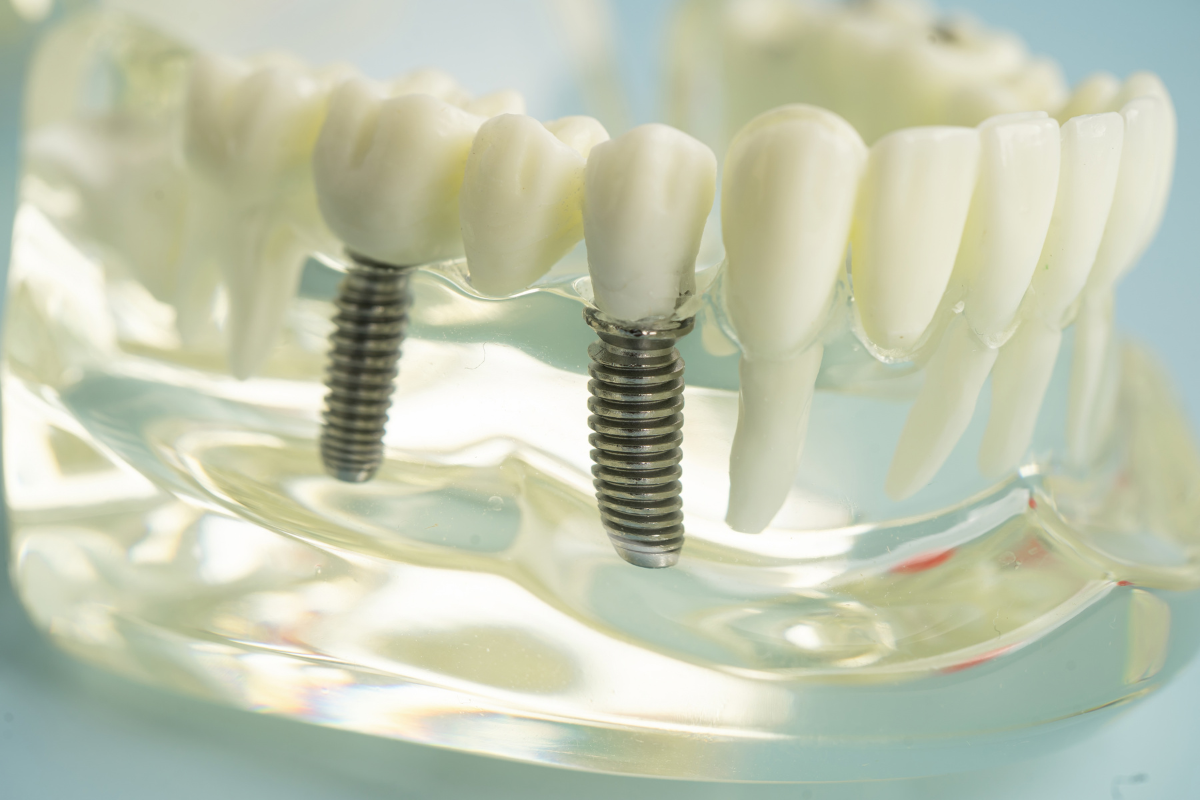
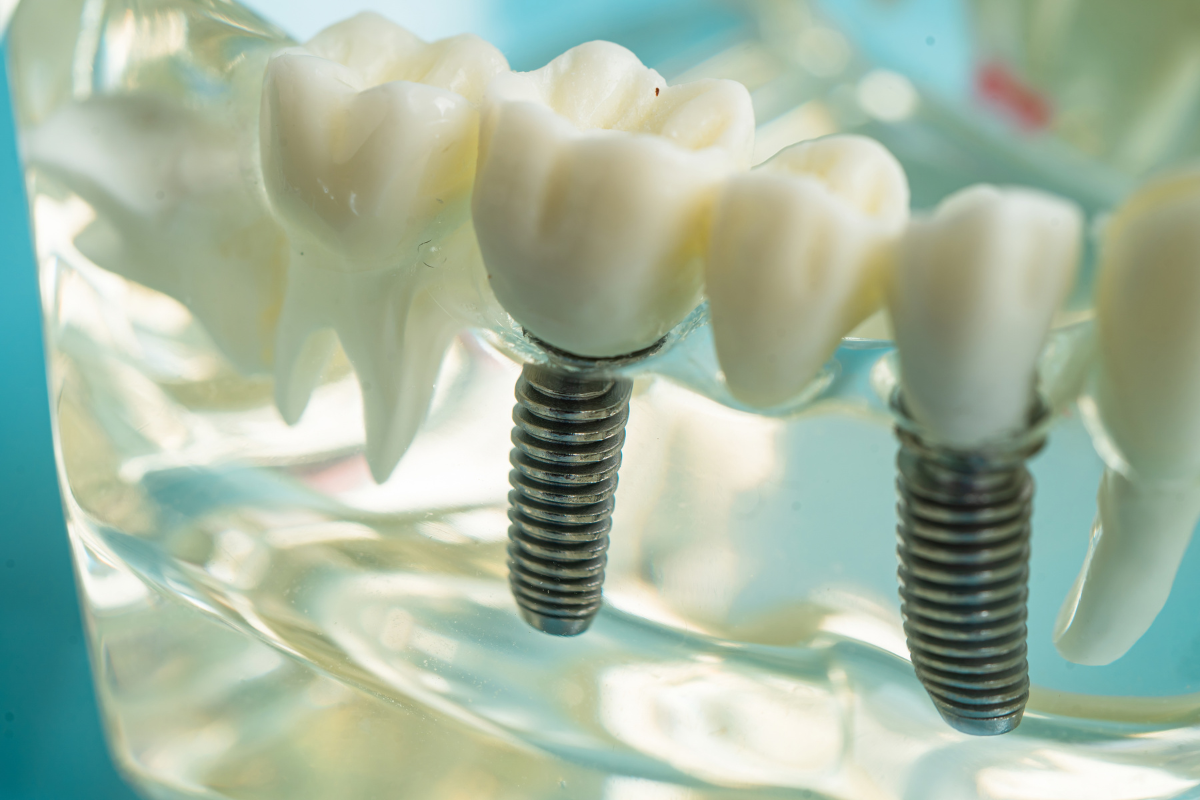
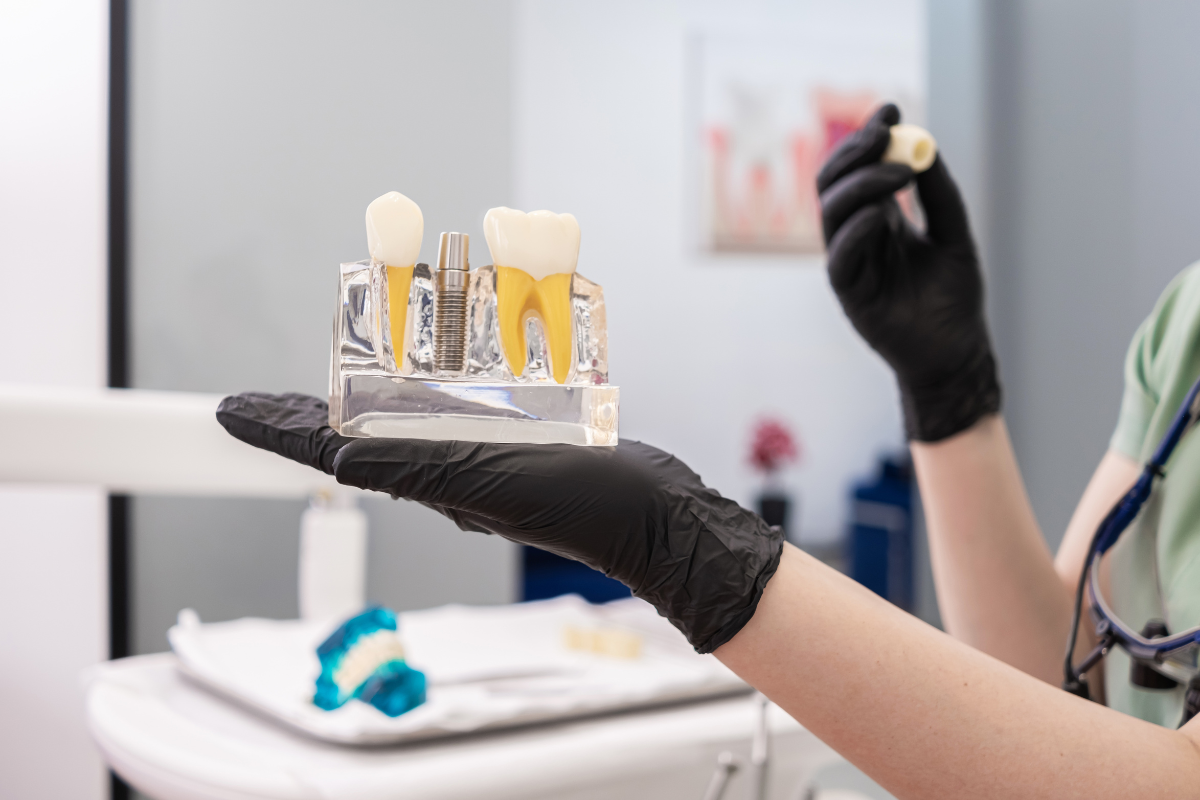
Unlike traditional bridges or removable dentures, dental implants replace both the visible crown and the missing tooth root.
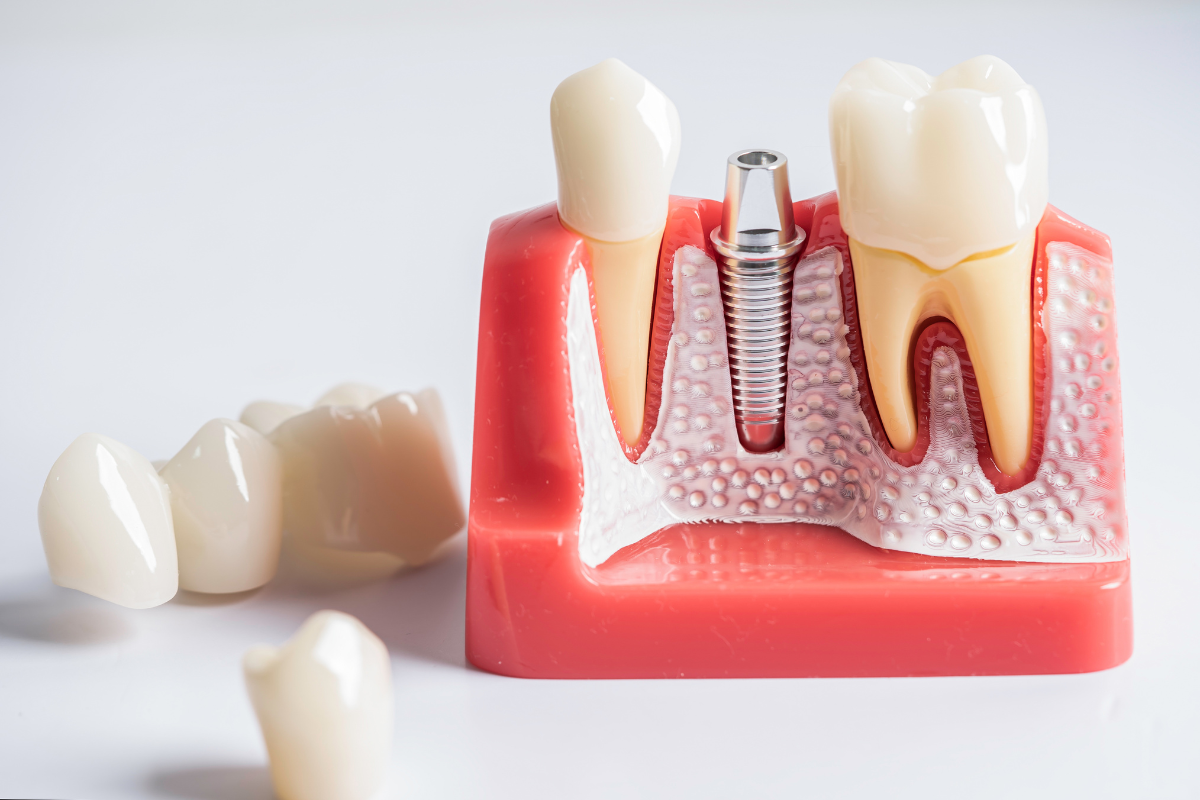
The implant itself is a small titanium post that is carefully placed into the jawbone. Titanium is widely used because it is biocompatible, allowing the surrounding bone to heal naturally around the implant.
During healing, the implant undergoes a biological process known as osseointegration. This means the jawbone gradually fuses with the implant surface, creating a stable foundation that functions much like a natural tooth root.
Once healing is complete, everyday activities such as chewing and biting once again stimulate the jawbone. This continued stimulation helps slow the bone loss that normally follows tooth loss.
Because of this unique design, implants do much more than replace missing teeth. They help maintain the strength and volume of the jawbone, supporting both oral health and facial structure.
How Implant-Supported Teeth Help Preserve Your Natural Smile
Replacing a missing tooth is about more than filling a space. It is about maintaining the harmony of your entire smile.
When a gap remains untreated, nearby teeth naturally begin drifting toward the open space. Teeth in the opposite jaw may also move because they no longer have an opposing tooth to bite against.
These changes can lead to:
- Uneven tooth wear
- Bite problems
- Crowded teeth
- Difficulty cleaning between teeth
- Higher risk of gum disease
- Greater chance of additional tooth loss
Choosing implant-supported tooth replacement helps maintain proper spacing while supporting healthy function throughout your mouth.
Many patients also appreciate that implant-supported restorations closely resemble natural teeth in shape, color, and appearance, allowing them to smile confidently during everyday activities.
More Than a Tooth Replacement: A Long-Term Investment in Oral Health
Choosing the right dental treatment after losing a tooth can influence your oral health for many years.
Unlike removable options that sit on top of the gums, implants become part of the jaw itself. This stable foundation helps restore everyday comfort while supporting surrounding bone and tissues.
Patients often report improvements in:
- Chewing efficiency
- Speech clarity
- Smile confidence
- Bite stability
- Everyday comfort
- Long-term oral function
Protecting your jawbone today may also reduce the need for more extensive dental treatment in the future as bone loss continues over time.
Dental Implants Vs. Other Tooth Replacement Options
There are several ways to replace missing teeth, but not every option provides the same long-term benefits for your jawbone.
Traditional Dental Bridges
A dental bridge restores the visible portion of a missing tooth by attaching an artificial tooth to neighboring teeth. While it improves appearance and chewing ability, it does not replace the missing root beneath the gums. Without that root, the jawbone no longer receives stimulation and may continue to shrink over time.
Removable Dentures
Dentures replace multiple missing teeth and can improve daily function. However, because they rest on top of the gums instead of within the jawbone, they cannot prevent bone resorption. As the jawbone changes shape, dentures may become loose and require periodic adjustments or replacement.
Implant-Supported Tooth Replacement
Unlike other options, tooth implants replace the missing tooth root as well as the visible crown. This helps stimulate the jawbone during normal chewing, making them one of the few solutions that actively support bone preservation.
For many patients, this means improved comfort, greater stability, and a smile that continues to look natural for years.
Who May Benefit from Dental Implants?
Many healthy adults who have lost one or more teeth may be candidates for implant-supported restoration. The first step is a comprehensive examination to evaluate your oral health and determine the most appropriate treatment plan.
Your dentist will assess several factors, including:
- Overall gum health
- Jawbone density
- Number and location of missing teeth
- Bite alignment
- General health history
- Lifestyle habits that may affect healing
Even if you have experienced some bone loss, you may still qualify. Procedures such as bone grafting can often rebuild areas of the jaw before implant placement, allowing more patients to receive this form of dental treatment.
At Greenville Dental & Orthodontics, every patient receives an individualized evaluation to determine the most suitable option for restoring function and protecting long-term oral health.
Why Replacing a Missing Tooth Early Is Important
Many people delay replacing a missing tooth because they can still chew comfortably or because the gap is not easily visible.
However, the changes beneath the gums continue even when there are no obvious symptoms.
Early treatment may help:
- Preserve more natural bone.
- Prevent neighboring teeth from shifting.
- Maintain proper bite alignment.
- Reduce future treatment complexity.
- Support healthier gums.
- Improve long-term oral stability.
Addressing tooth loss sooner often provides more treatment options while protecting the health of your smile.
What to Expect During Implant Treatment
Understanding the treatment process can help patients feel more confident before beginning care.
- Comprehensive Consultation
Your dentist performs a complete examination, reviews digital imaging, discusses your goals, and creates a personalized dental treatment plan.
- Implant Placement
A small titanium implant is placed into the jawbone with precision. The procedure is carefully planned to encourage proper healing and long-term stability.
- Healing and Osseointegration
During the next several months, the surrounding bone gradually bonds with the implant through osseointegration. This creates a strong foundation that functions much like a natural tooth root.
- Final Restoration
After healing is complete, a custom-crafted crown is attached to the implant. The final restoration is designed to blend naturally with your surrounding teeth while restoring comfortable chewing and speaking.
Caring for Your Implant for Long-Term Success
Although implant-supported restorations are designed for durability, they still require consistent maintenance.
Protect your investment by:
- Brushing twice each day.
- Flossing around the restoration daily.
- Attending routine professional cleanings.
- Avoiding tobacco products whenever possible.
- Following your dentist’s recommendations.
- Reporting any unusual discomfort promptly.
Maintaining regular dental care and healthy gums helps support the surrounding bone and contributes to long-lasting results.
Restore Your Smile While Protecting Your Jawbone
Missing teeth affect much more than appearance. They influence your jawbone, bite, facial structure, and overall oral health. Choosing the right replacement early can help prevent future complications while restoring everyday confidence.
At Greenville Dental & Orthodontics, Dr. W Allen focuses on helping patients throughout Greenville and nearby communities replace missing teeth with solutions designed to support lasting oral health. If you have been considering dental implants in Greenville, now is an excellent time to learn how implant-supported tooth replacement can preserve your jawbone and restore your natural smile.
Don’t let missing teeth affect your confidence or your quality of life. Contact our office today to book an appointment and learn how this advanced dental treatment can help you enjoy a stronger bite, healthier jawbone, and a smile that looks and feels natural for years to come.
Frequently Asked Questions (FAQ’S)
1. How do dental implants help preserve the jawbone?
Unlike other tooth replacement options, implants replace the missing tooth root as well as the visible tooth. This allows the jawbone to continue receiving stimulation during chewing, helping reduce bone loss and maintain facial support over time.
2. Am I a candidate for dental implants if I have been missing a tooth for several years?
Many patients can still qualify, even after years of tooth loss. Your dentist will evaluate your jawbone, gums, and overall oral health. If necessary, additional procedures may help prepare the area before implant placement.
3. How long does implant treatment usually take?
The timeline varies depending on healing and individual needs. After the implant is placed, the jawbone needs time to bond with it before the permanent crown is attached. Your dentist will explain each step during your consultation.
4. Will my implant look like a natural tooth?
Yes. The final crown is carefully designed to match the size, shape, and color of your surrounding teeth. The goal is to restore a smile that feels comfortable and blends naturally with the rest of your teeth.
5. How should I care for my dental implant?
Daily brushing, flossing, routine professional cleanings, and regular examinations are essential. Keeping the gums healthy helps support the implant and contributes to long-term success.
6. Why shouldn’t I wait to replace a missing tooth?
Delaying treatment allows the jawbone to continue shrinking and neighboring teeth to shift. Replacing the tooth sooner helps preserve bone, maintain proper bite alignment, and may reduce the need for more complex procedures later.