Losing a tooth affects much more than your appearance. It changes the way you chew, speak, and smile, while also allowing the jawbone to gradually shrink because it no longer receives stimulation from the missing tooth root. Over time, neighboring teeth may drift out of position, making additional dental problems more likely.
Modern dentistry provides various options for replacing missing teeth, but dental implants remain the top choice for restoring function and ensuring long-term oral health. Unlike removable options, implants replace the tooth root itself, helping preserve the jawbone while providing stability that closely resembles a natural tooth.
At Greenville Dental & Orthodontics, our goal is to help patients make informed decisions based on proven clinical evidence. Under the care of Dr. Robert W. Allen, we educate every patient about the benefits, limitations, and long-term expectations of treatment so they can choose the option that best fits their oral health needs. If you’re ready to restore your smile, visit our dental office to learn which treatment is right for you. Our practice provides comprehensive dental implant care alongside other restorative and preventive services.
According to the U.S. Centers for Disease Control and Prevention (CDC), more than one in seven Americans aged 65 and older have experienced complete tooth loss, highlighting how common missing teeth remain and why durable replacement options are so important for maintaining quality of life.
Why Are Implants Considered the Gold Standard for Missing Teeth?
Implants replace both the visible tooth and its root, making them the closest replacement to natural teeth. This unique design helps preserve bone, improve chewing ability, and support long-term oral health.
Many tooth replacement options restore appearance, but very few address what happens beneath the gums after a tooth is lost.
Your natural tooth root continuously stimulates the surrounding jawbone whenever you chew. Once that root disappears, the bone slowly begins to shrink because it is no longer being used. This process can gradually affect your facial profile, neighboring teeth, and even future treatment options.
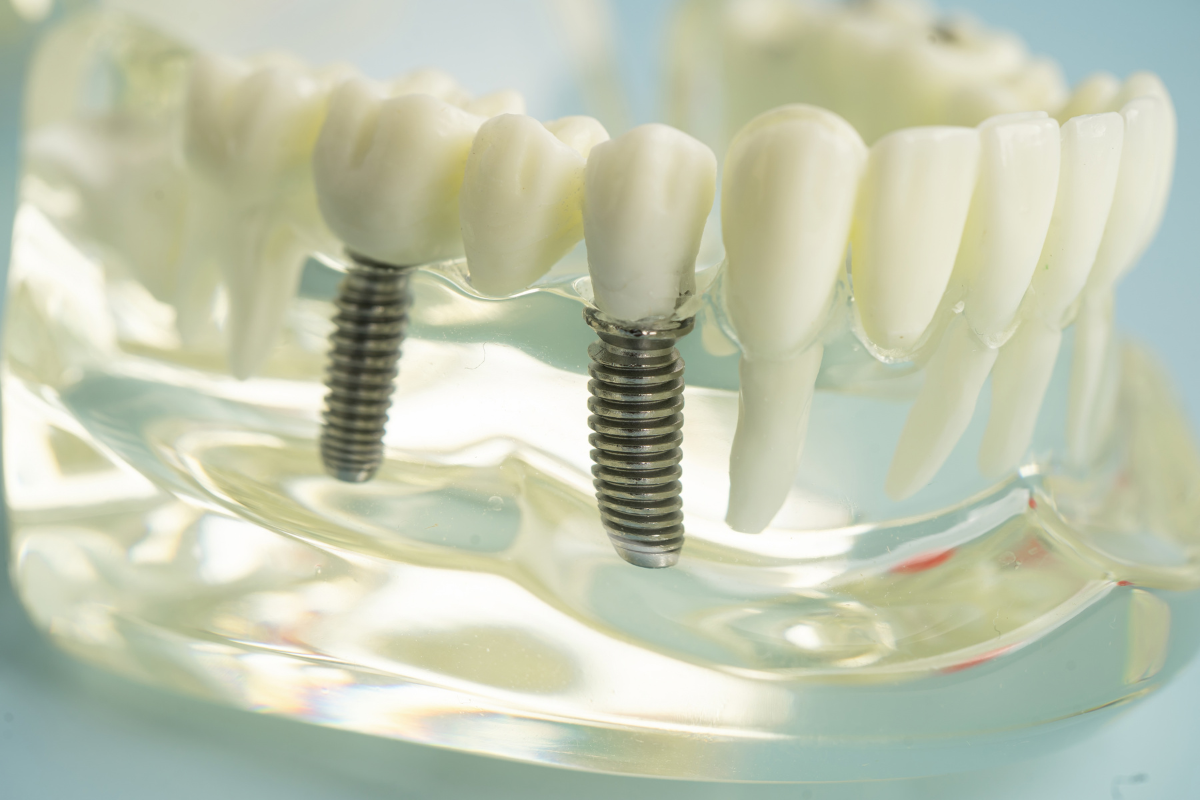
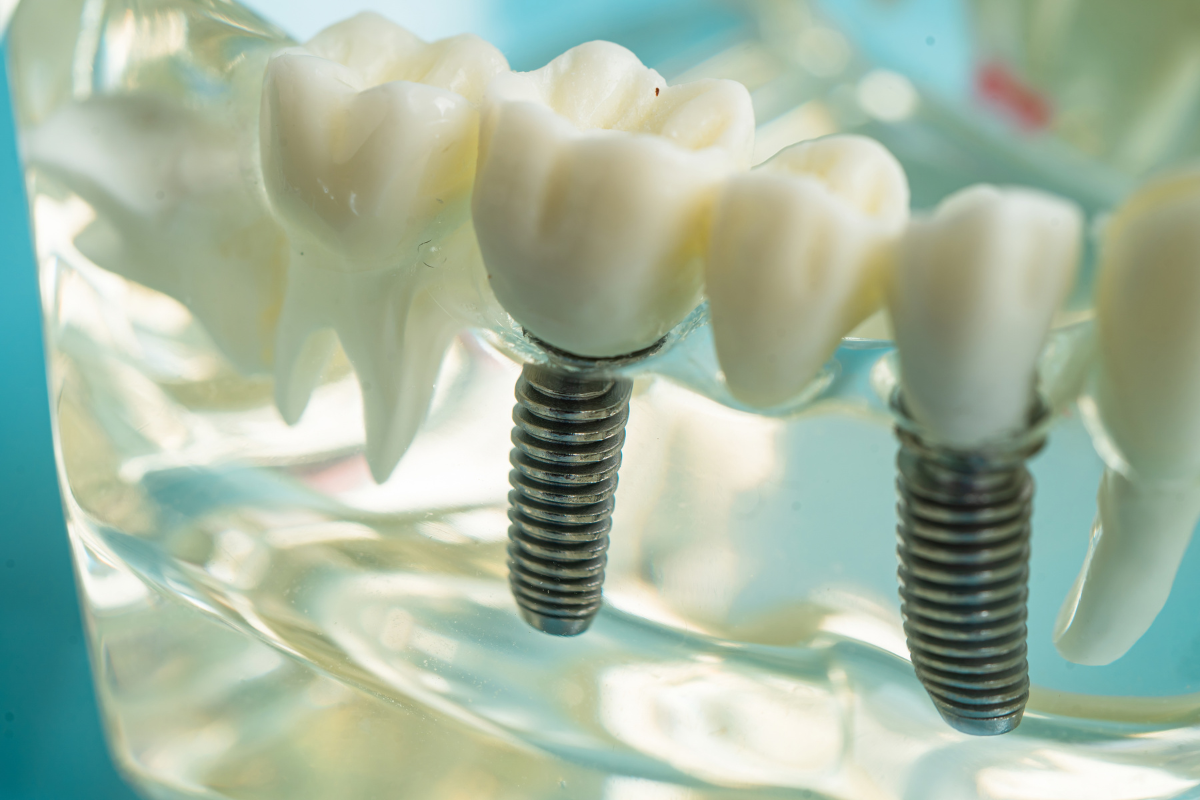
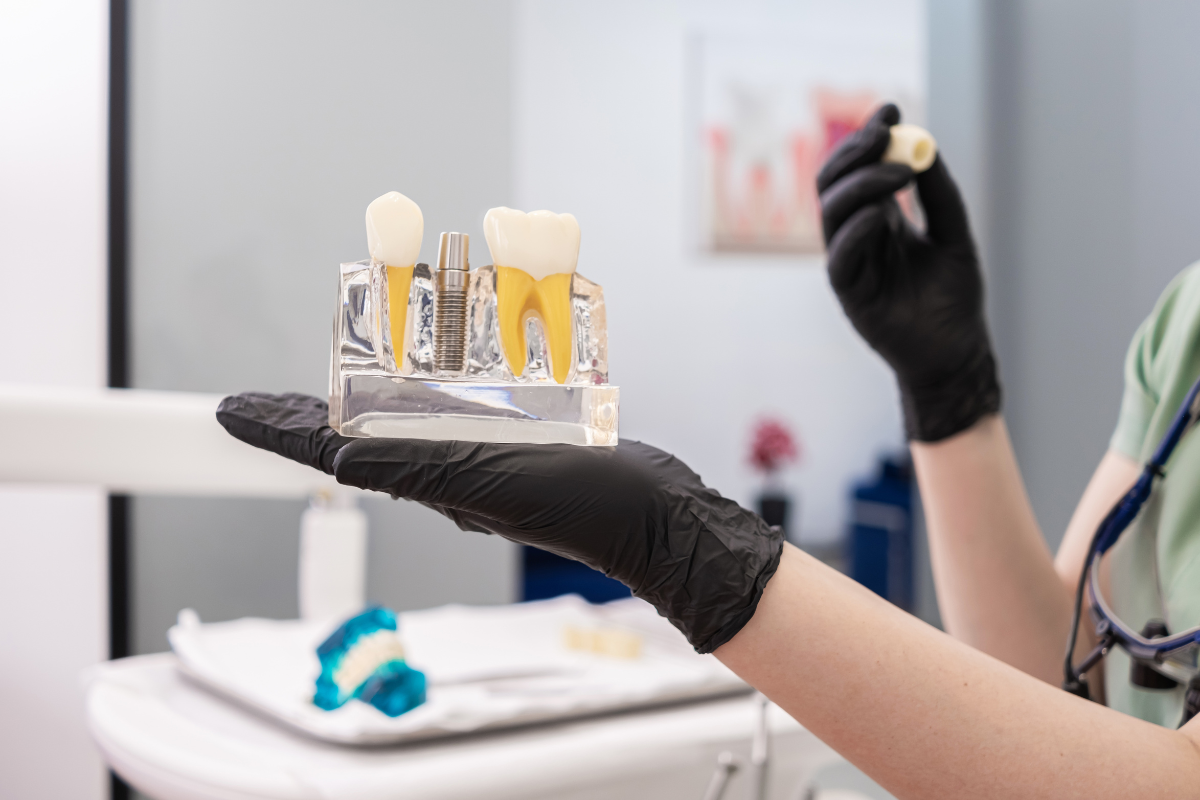
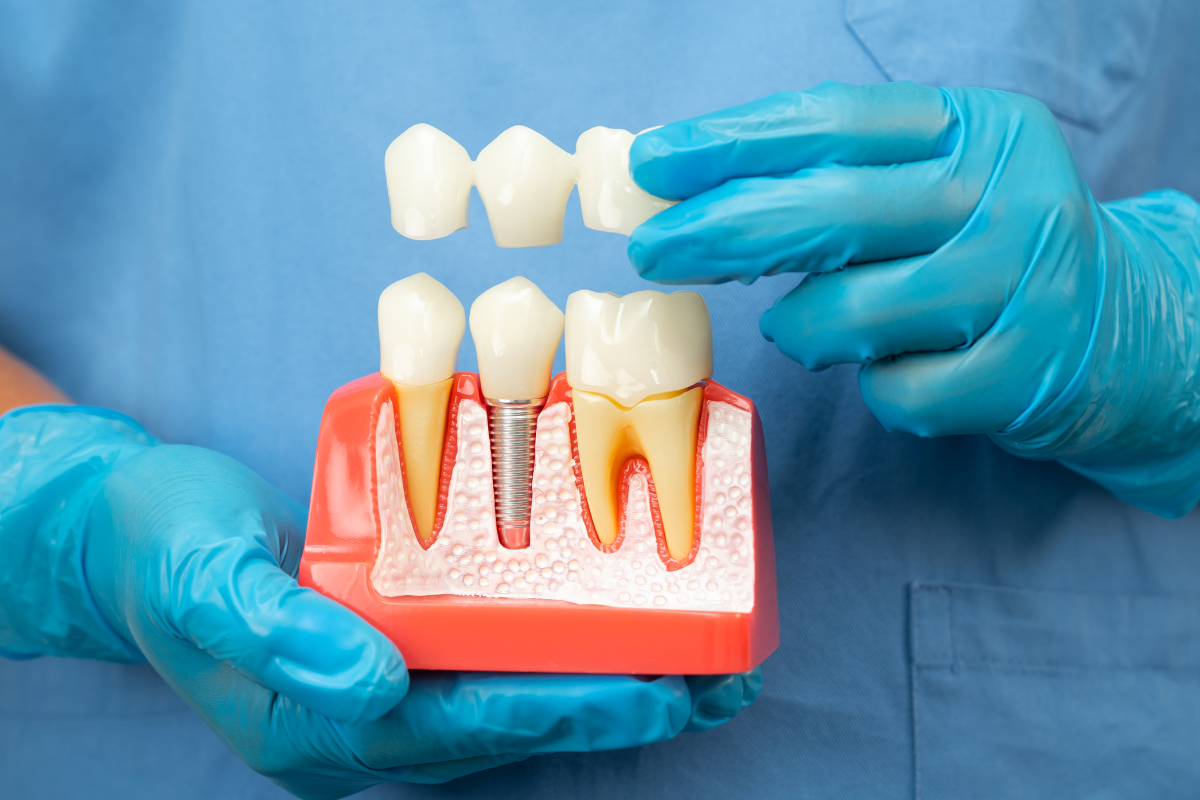
Implants solve this problem by placing a biocompatible titanium post into the jawbone. As healing progresses, the implant fuses with the bone through a biological process known as osseointegration. The final restoration then functions much like a natural tooth, allowing patients to eat, speak, and smile with greater confidence.
Why Does Jawbone Preservation Matter?
Jawbone preservation helps maintain facial structure, supports neighboring teeth, and creates a healthier foundation for long-term oral function. Dental implants in Greenville are currently the only common tooth replacement that directly stimulates the jawbone.
Many people think replacing a missing tooth is mainly about appearance. In reality, preserving the underlying bone is equally important.
Without stimulation, the jawbone gradually loses density. This natural process may lead to:
- Changes in facial appearance
- Reduced chewing efficiency
- Shifting of neighboring teeth
- Bite imbalance
- Greater complexity if additional restorative treatment becomes necessary later
By functioning like an artificial tooth root, implants help maintain healthier bone over time, making them a restorative solution that benefits the entire mouth rather than only filling an empty space.
Why Are More Patients Choosing Implant Treatment?
Patients increasingly choose implants because they offer predictable function, natural appearance, and long-term stability. They also fit comfortably into everyday life without requiring removal for cleaning.
Residents throughout the Greenville community often lead active lifestyles, whether they’re spending weekends exploring the historic downtown district, enjoying family events around the city, or stopping by local favorites for Texas barbecue and classic Southern comfort food. Comfortable chewing and confidence while speaking naturally become important parts of everyday life.
For patients considering dental implants in Greenville, the treatment offers advantages that extend beyond cosmetics. Many appreciate being able to enjoy a wider variety of foods, speak without worrying about movement, and maintain a smile that feels secure throughout the day.
Equally important, implants integrate with your existing oral structures rather than depending on adjacent teeth for support. This conservative approach helps preserve healthy teeth while restoring the missing one in a way that closely mimics nature.
Who Is a Good Candidate for Implant Treatment?
Most healthy adults with one or more missing teeth can be candidates for the procedure. A comprehensive examination, including digital imaging, helps determine whether your jawbone and overall oral health can support successful treatment.
Contrary to what many people believe, losing a tooth does not automatically mean you have lost the opportunity to receive an implant. Even if the tooth has been missing for years, modern dentistry often provides solutions that can prepare the mouth for treatment.
During your consultation, your dentist will evaluate:
- The health of your gums
- Jawbone quality and volume
- Bite alignment
- Existing restorations
- Overall medical history
- Lifestyle factors that may influence healing
If additional treatment is needed before implant placement, it will be discussed as part of a personalized treatment plan. Depending on your needs, services such as tooth extractions or bone grafting may be recommended to create a healthier foundation for long-term success.
What Makes Implants a Long-Term Investment in Oral Health?
An implanted tooth restores more than a missing tooth. They support long-term oral function, preserve surrounding structures, and reduce many of the challenges associated with untreated tooth loss.
One of the greatest advantages of implant treatment is that it addresses the cause of future oral health problems instead of simply replacing what is visible above the gums.
Patients who replace missing teeth promptly often experience benefits such as:
- More efficient chewing
- Improved speech clarity
- Better bite balance
- Reduced movement of neighboring teeth
- Preservation of jawbone structure
- Greater confidence when smiling and speaking
- Easier day-to-day oral hygiene compared to removable appliances
These long-term benefits explain why dentists across the United States continue to recommend implants whenever clinically appropriate.
Why Choose Greenville Dental & Orthodontics for Your Implant Treatment?
Short answer: Successful implant treatment depends on careful diagnosis, detailed planning, and personalized care. Choosing a practice that prioritizes comprehensive evaluations helps patients achieve predictable, long-lasting outcomes.
Every smile is different, which means no two implant treatment plans should be identical. At Greenville Dental & Orthodontics, every recommendation is based on a thorough understanding of your oral health rather than a one-size-fits-all approach.
Patients appreciate having access to comprehensive restorative dentistry under one roof, making diagnosis, treatment planning, and follow-up care more convenient. Whether replacing a single missing tooth or restoring multiple teeth, the focus remains on creating results that function naturally and support long-term oral health.
For individuals researching dental implants in Greenville, choosing a local practice also means receiving continued support before, during, and after treatment. Regular follow-up visits help ensure your implant remains healthy for years to come while giving you ongoing guidance for maintaining excellent oral hygiene.
Ready for a Long-Lasting Tooth Replacement?
Replacing a missing tooth is about much more than improving your smile. The right treatment can protect your jawbone, preserve healthy teeth, improve daily function, and help maintain your oral health for many years. Dental implants have earned their reputation as the preferred solution because they address both the visible and underlying effects of tooth loss, providing a level of stability and function that closely resembles natural teeth.
If you have one or more missing teeth and want to understand which treatment is right for your smile, visit our dental office for a comprehensive evaluation. The team at Greenville Dental & Orthodontics will carefully assess your oral health, discuss your options, and create a treatment plan designed around your unique needs. Book an appointment today to learn how modern implant dentistry can help you regain a healthy, confident smile.
Frequently Asked Questions
1. How long do dental implants usually last?
With proper oral hygiene and regular dental checkups, dental implants can remain functional for many years. Long-term success depends on healthy gums, adequate bone support, and consistent professional care.
2. Is getting a dental implant painful?
Most patients report that implant placement is more comfortable than expected. Your dentist uses appropriate anesthesia and provides instructions to help you recover comfortably afterward.
3. Can older adults receive dental implants?
Yes. Age alone does not determine eligibility for implant treatment. Overall health, jawbone condition, and oral health are much more important considerations.
4. How should I care for a dental implant?
Dental implants should be brushed and flossed just like natural teeth. Routine professional cleanings and regular examinations help maintain healthy surrounding tissues.
5. Can one implant replace multiple missing teeth?
Yes. Depending on your situation, implants may support bridges or dentures to replace several missing teeth without requiring an implant for every tooth.
6. How long does the implant process take?
Treatment timelines vary because healing differs for every patient. Your dentist will explain each phase after evaluating your oral health and developing your personalized treatment plan.
7. What is the first step toward getting dental implants?
The process begins with a comprehensive consultation and diagnostic examination. This allows your dentist to evaluate your oral health and determine whether implants are the most appropriate solution for you.