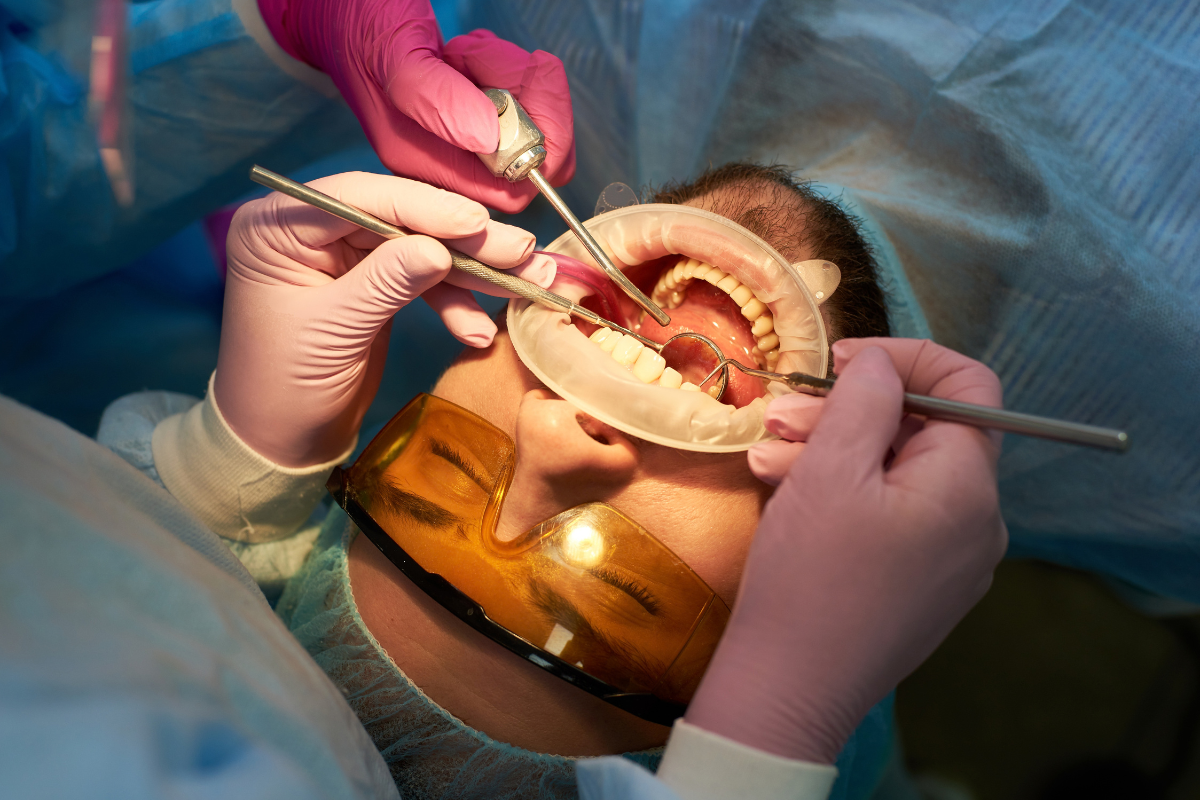
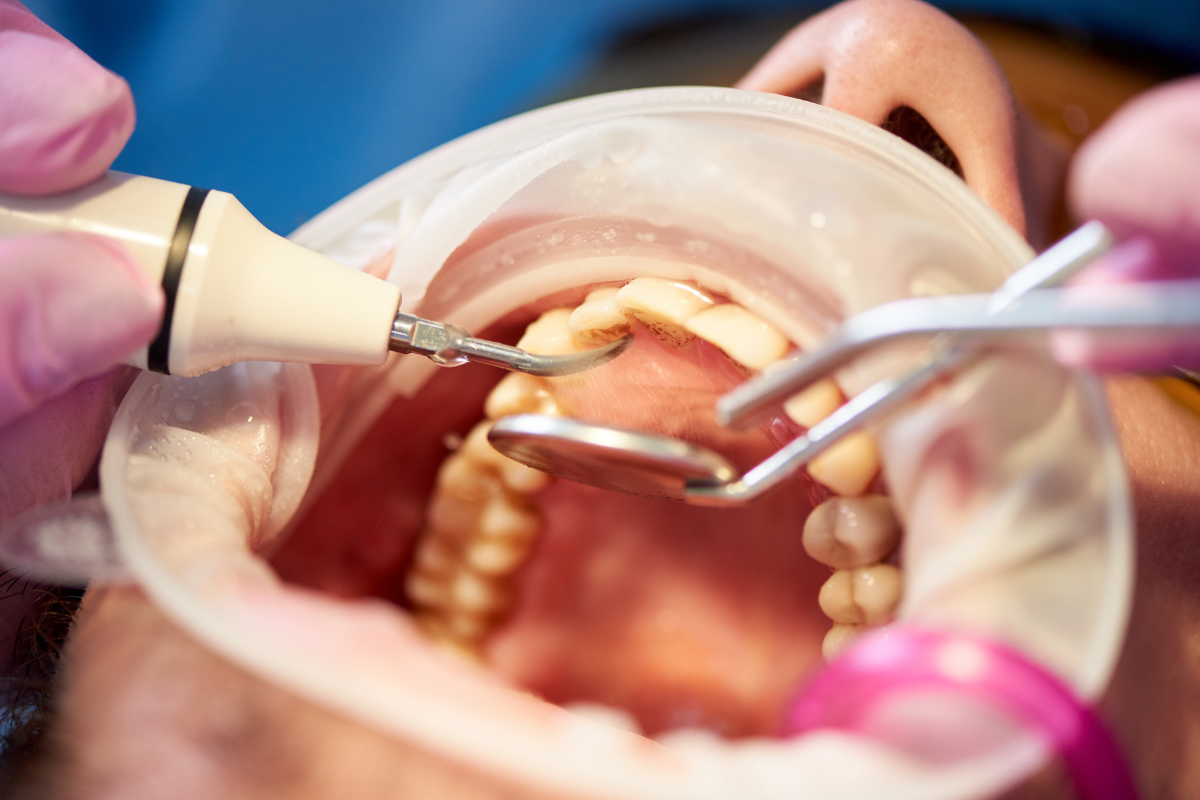
Oral health challenges can affect much more than your teeth. Ongoing discomfort, damaged teeth, and missing teeth can make eating, speaking, and smiling feel difficult. In some situations, routine dental care may not be enough to address the problem. That is where oral surgery can play an important role. Modern surgical care focuses on improving comfort, restoring function, and supporting long-term oral health. Whether the goal is removing a problematic tooth or preparing the mouth for a future restoration, treatment can help patients regain confidence in their smiles.
Whether enjoying barbecue at local gatherings or sharing a meal with family after a Friday night game, comfortable chewing plays a major role in daily life. When oral health problems interfere with these moments, professional treatment becomes important. Patients seeking oral surgery in Greenville often want solutions that improve both comfort and quality of life. At Greenville Dental & Orthodontics, treatment plans focus on each patient’s needs while supporting healthy, lasting results.
Why Oral Surgery May Be Recommended?
Before treatment begins, it is important to understand why surgical care may become necessary for certain dental concerns:
Addressing Persistent Pain
Some dental conditions continue to cause discomfort despite conservative treatment. Surgical procedures can help eliminate the source of pain and protect surrounding oral structures.
Preventing Future Complications
Ignoring serious dental issues can lead to infection, bone loss, or damage to neighboring teeth. Timely treatment helps reduce these risks and supports better oral health.
Supporting Long-Term Function
Healthy teeth and gums work together to support chewing, speaking, and everyday comfort. Surgical care can help restore proper function when oral structures become compromised.
Common Procedures That Improve Oral Health
Understanding available treatment options helps patients make informed decisions about their care:
Wisdom Teeth Extractions
Wisdom teeth can create problems when they become impacted or do not have enough room to emerge properly. Removing these teeth can help prevent pain, infection, crowding, and damage to nearby teeth.
Tooth Extractions
Sometimes a tooth becomes too damaged to save. Removing the affected tooth can protect surrounding teeth and help create a healthier foundation for future treatment.
Dental Implant Placement
Dental implants replace missing teeth by supporting a custom restoration. They help restore appearance, function, and stability while supporting jawbone health.
According to the National Institute of Dental and Craniofacial Research, tooth loss remains a common oral health concern among adults.
How Does Oral Surgery Support Smile Restoration?
Restoring a smile often involves more than improving appearance. It also focuses on rebuilding function and protecting long-term oral health:
Replacing Missing Teeth
Missing teeth can affect chewing ability and confidence. Surgical procedures that support tooth replacement help patients enjoy daily activities with greater comfort.
Protecting Jawbone Health
When teeth are lost, the jawbone may begin to shrink over time. Treatments that support replacement teeth help maintain bone structure and facial support.
Improving Smile Balance
A complete smile often creates better symmetry and function. Restorative procedures can help improve the overall appearance of the smile while supporting oral health.
Many residents look forward to special events, and a healthy smile makes it easier to enjoy every conversation and photo opportunity.
What Can Patients Expect During Recovery?
Recovery is an important part of achieving successful treatment outcomes:
- Following Post-Treatment Instructions: Care instructions help protect the surgical site and support healing. Patients who follow recommendations often experience smoother recoveries.
- Managing Temporary Discomfort: Some swelling and tenderness are normal after treatment. These symptoms usually improve as healing progresses.
- Returning to Daily Activities: Many patients return to normal routines within a reasonable timeframe. Recovery depends on the procedure and individual healing factors.
Warm summers often mean outdoor festivals and community events, making confidence in your smile feel even more important.
How Choosing Professional Care Makes a Difference
The right treatment approach can significantly improve both comfort and outcomes:
- Personalized Treatment Planning: Every patient has unique oral health needs. A customized plan helps ensure treatment addresses specific concerns and goals.
- Advanced Diagnostic Evaluation: Detailed examinations and imaging allow providers to identify issues accurately and recommend appropriate care.
- Comprehensive Smile Support: Patients benefit when treatment focuses on both immediate concerns and long-term oral health goals.
Patients considering oral surgery often appreciate having access to comprehensive care that addresses pain, function, and smile restoration in one place.
A Healthier Smile Can Change Everyday Life
Oral surgery can do much more than resolve discomfort. It can improve oral function, support long-term health, and help restore confidence. Whether treatment involves removing a problematic tooth or replacing a missing one, the goal remains the same: creating a healthier and more comfortable smile. From family dinners to community celebrations, strong oral health supports the everyday moments that bring people together.
If dental concerns are affecting comfort, function, or confidence, professional care may provide the solution. Greenville Dental & Orthodontics offers personalized treatment options designed to help patients achieve lasting oral health. If you are exploring oral surgery in Greenville, scheduling a consultation is an important first step toward restoring your smile. So book an appointment now.
Frequently Asked Questions(FAQ’S)
How do dental professionals determine if surgery is necessary?
A thorough examination, digital imaging, and a review of symptoms help determine the most appropriate treatment. Recommendations depend on the condition of the teeth, gums, and surrounding structures.
Can oral health problems affect overall wellbeing?
Yes. Untreated dental issues may contribute to discomfort, difficulty eating, and reduced quality of life. Addressing concerns early often supports both oral and general health.
How long does healing usually take after a procedure?
Recovery varies depending on the treatment and individual health factors. Many patients notice improvement within days, while complete healing may take longer.
Is oral surgery only recommended for severe dental problems?
Not always. Some procedures help prevent future complications before they become more serious. Early intervention can often protect long-term oral health.
What foods are recommended after treatment?
Soft foods are commonly recommended during the initial healing period. Following post-treatment instructions helps protect the treatment area and support recovery.
Can missing teeth impact oral health beyond appearance?
Yes. Missing teeth may affect chewing, speaking, and jawbone health. Replacing lost teeth often helps maintain function and support the surrounding oral structures.